
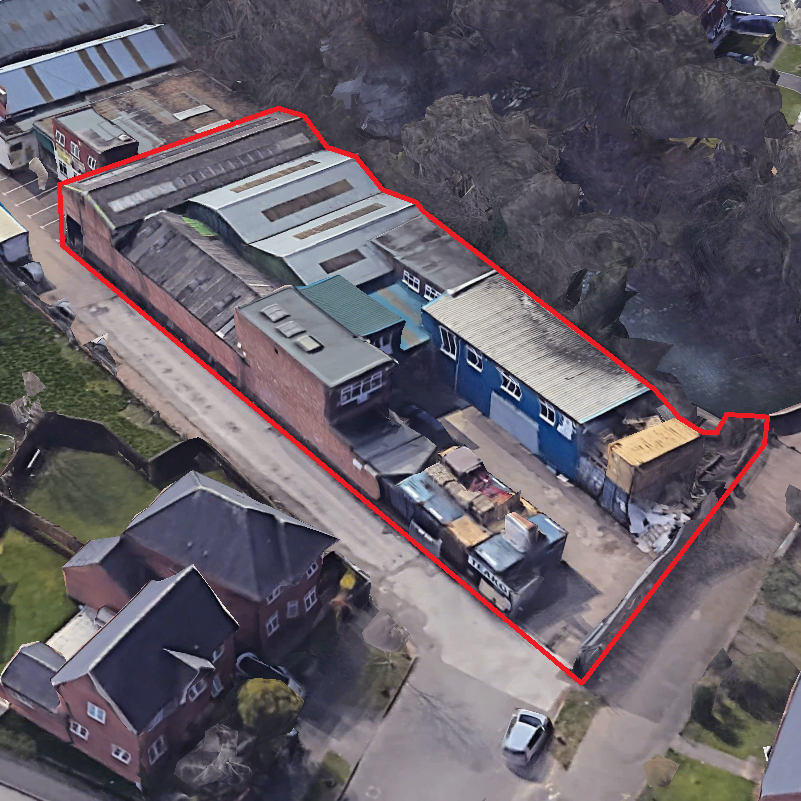
Woodcock Lane, Birmingham

Woodcock Lane, Birmingham

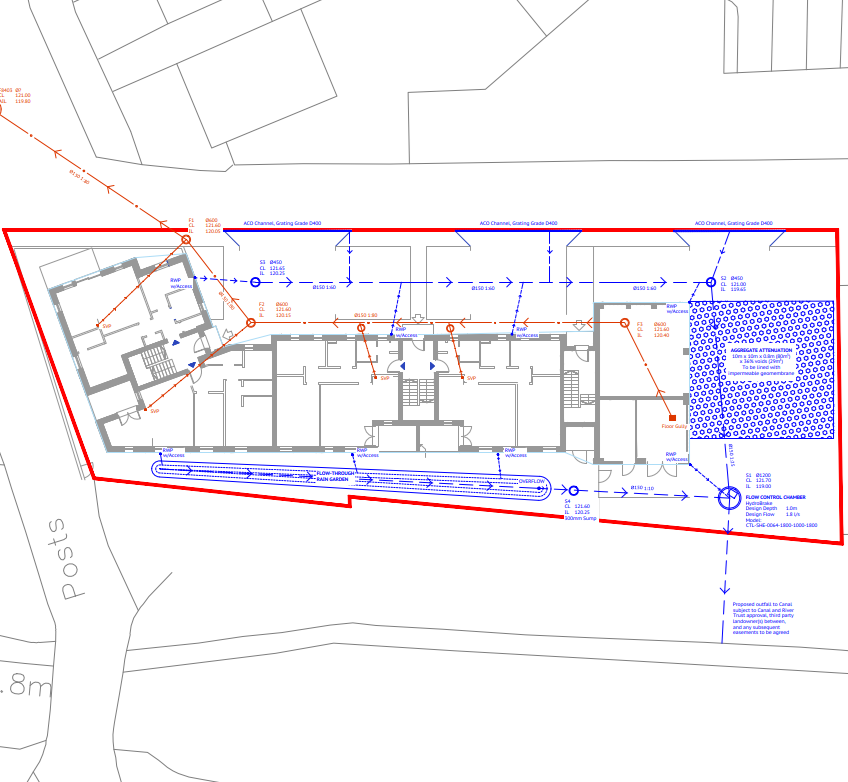
The Woodcock Lane site in north-west Birmingham involved the redevelopment of a commercial-industrial plot alongside the Grand Union Canal into a residential apartment scheme. With the proposed building occupying around 75% of the site area, and only limited space available for surface water management, the drainage design needed to carefully balance attenuation, water quality and controlled discharge. The site’s canal-side setting also placed particular importance on flood risk and the quality of any surface water leaving the development.

Civia was engaged to develop the drainage strategy for the scheme, using hydraulic modelling to assess runoff volumes, peak flows and climate change allowances. A sustainable drainage solution was prepared using a flow-through rain garden, aggregate-based attenuation and flow control to restrict discharge to 1.8 l/s while improving water quality before outfall to the canal. By combining attenuation and treatment within a constrained layout, the design achieved a greenfield runoff rate on an otherwise hardstanding site.
Get in Touch

Inspired by this case study and want to learn how Civia can make your next project a success? Contact us today.
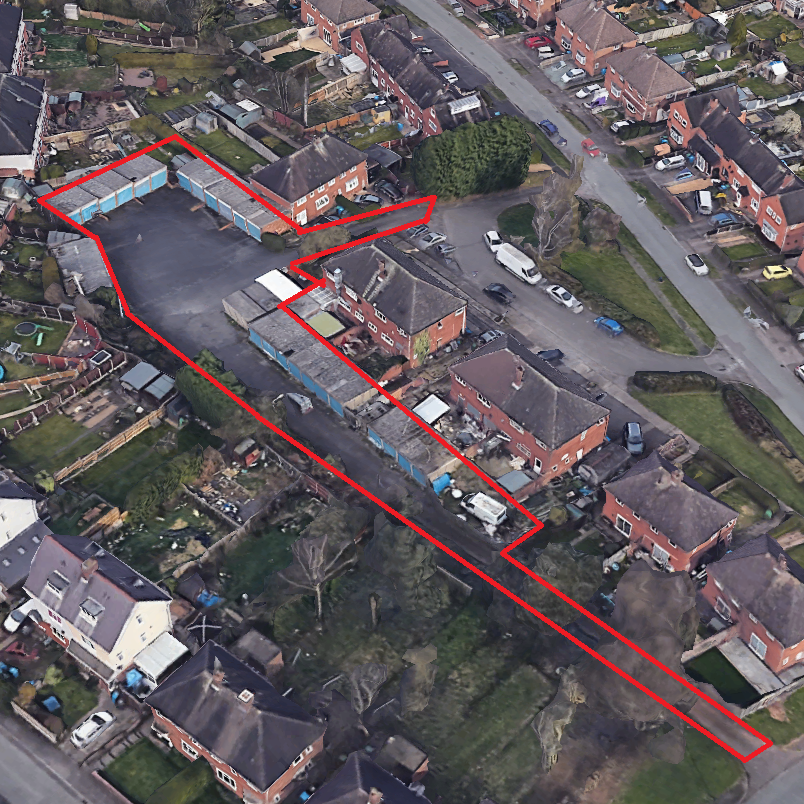
Bull Lane, Wombourne

Bull Lane, Wombourne

The Bull Lane site in Wombourne comprised a former garages development where limited space and extensive hardstanding created challenges for surface water management. The proposed residential layout required a drainage strategy that could remain cost-effective while improving the sustainability of the site and complying with local drainage requirements. The opportunity to use permeable paving and plot-specific infiltration features became central to reducing the scale and cost of the below-ground drainage infrastructure.

Civia was appointed to undertake hydraulic modelling and develop the drainage strategy for the scheme. We assessed roof areas, access roads and hardstanding, then simulated storm events including climate change and urban creep to inform the required storage volumes. The final design used permeable paving across the access route and individual soakaways for each plot, allowing the drainage system to be value engineered while maintaining natural infiltration and improving the environmental performance of a previously impermeable brownfield site.

Get in Touch

Inspired by this case study and want to learn how Civia can make your next project a success? Contact us today.